- Understanding AI in Marketing
- How AI Works in Marketing
- Key AI Marketing Applications
- Data Analysis and Insights
- Personalization and Audience Segmentation
- Content Creation and Optimization
- Chatbots and Virtual Assistants
- Email Marketing Optimization
- Search Engine Optimization (SEO)
- Advertising and Programmatic Buying
- Voice Search and Conversational Commerce
- Digital Twin Avatars
- Benefits of AI in Marketing
- Challenges of AI in Marketing
- Getting Started with AI in Marketing
- Examples of AI Marketing in Action
- The Future of AI in Marketing
The rise of artificial intelligence (AI) is transforming numerous industries, and marketing is no exception. AI marketing applications are becoming increasingly sophisticated, offering businesses new ways to understand customers, personalize experiences, and optimize campaigns. This article explores the diverse ways AI is currently being used in marketing, the benefits and challenges of its implementation, and how businesses can leverage these powerful tools to gain a competitive edge.
n
Understanding AI in Marketing
n
AI marketing applications involve using AI technologies, such as machine learning and natural language processing, to enhance marketing strategies and achieve better results. These applications range from analyzing vast amounts of data to automating routine tasks, enabling marketers to make more informed decisions and create more engaging customer experiences. By leveraging AI, marketers can move beyond guesswork and into a realm of data-driven insights and personalized interactions.
n
How AI Works in Marketing
n
AI systems use algorithms to analyze customer data from various sources, including online interactions, purchase history, and social media activity. This data is then used to predict customer behavior, personalize content, and optimize marketing campaigns. Machine learning models continually learn from new data, improving their accuracy and effectiveness over time. This allows marketers to adapt their strategies in real-time, responding to customer needs and preferences as they evolve.
n
Key AI Marketing Applications
n
AI marketing applications are incredibly varied, impacting almost every aspect of the marketing process. Here are some of the most common and impactful uses:
n
Data Analysis and Insights
n
AI excels at processing and analyzing large datasets, allowing marketers to identify patterns, trends, and customer behaviors that would be impossible to detect manually. This includes analyzing website traffic, social media engagement, and customer feedback to gain a deep understanding of audience preferences.n nCredit: www.greenbot.comnAI-powered analytics tools can also predict the outcome of marketing campaigns, helping marketers make data-driven decisions and optimize their strategies for maximum impact. This ability to forecast sales and consumer trends allows for proactive adjustments to inventory, staffing, and marketing efforts.
n
Personalization and Audience Segmentation
n
One of the most significant AI marketing applications is its ability to personalize customer experiences. AI can segment audiences based on demographics, behavior, and preferences, allowing marketers to deliver tailored messages and offers that resonate with each individual.n nCredit: marketrix.ainThis level of personalization can significantly improve customer engagement and loyalty. AI can also dynamically adjust website content, product recommendations, and email campaigns to match a user's unique profile and interests.
n
Content Creation and Optimization
n
AI is revolutionizing content creation by automating many aspects of the process. Generative AI tools can create original text, images, videos, and even audio content for websites, social media, and other marketing channels. AI can also optimize existing content for search engines, improve readability, and ensure consistency across different platforms.nnCredit: www.greenbot.comnAI-powered writing tools can generate product descriptions, blog posts, social media updates, and email newsletters, freeing up marketers to focus on higher-level strategic tasks.
n
Chatbots and Virtual Assistants
n
AI-powered chatbots and virtual assistants are transforming customer service by providing instant responses and 24/7 support. These tools can handle common inquiries, guide customers through the sales funnel, and provide personalized recommendations.n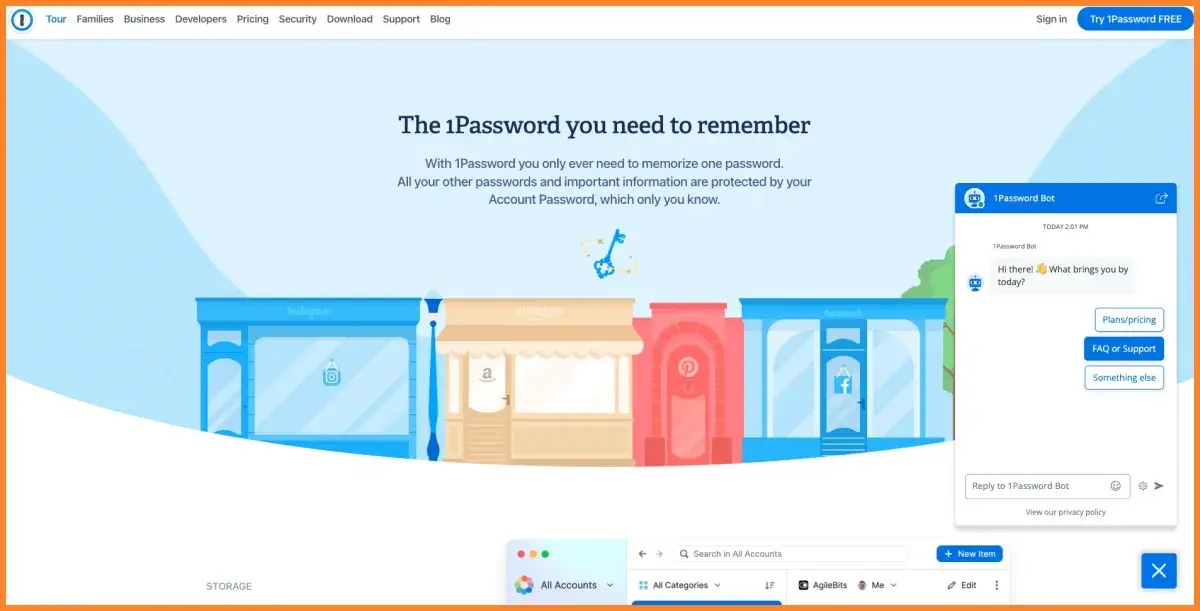 nCredit: knowledge.hubspot.comnBy automating routine customer interactions, AI chatbots can reduce wait times, improve customer satisfaction, and free up human agents to focus on more complex issues. These tools are also capable of learning from interactions to provide better and more accurate assistance over time.
n
Email Marketing Optimization
n
AI is used to optimize email marketing campaigns by analyzing subscriber behavior, preferences, and engagement patterns. This includes predicting the best times to send emails, segmenting audiences more accurately, and testing different subject lines and content styles to see what resonates most. AI can also personalize email content based on individual customer profiles, leading to higher open and click-through rates.
n
Search Engine Optimization (SEO)
n
AI plays a vital role in SEO by analyzing search trends, optimizing content, and enhancing user experience. AI tools can identify relevant keywords, optimize website navigation, and generate content that meets search intent. These tools can also analyze competitors' websites to identify opportunities for improvement and stay ahead of the curve.
n
Advertising and Programmatic Buying
n
AI is used to automate ad buying and optimize ad campaigns. AI algorithms analyze data in real-time to target the right audiences, adjust bids, and personalize ad creative. Programmatic advertising platforms leverage AI to buy and sell ad inventory, connecting advertisers with publishers and ensuring that ads are shown to the most relevant users. This leads to more efficient ad spending and higher conversion rates.n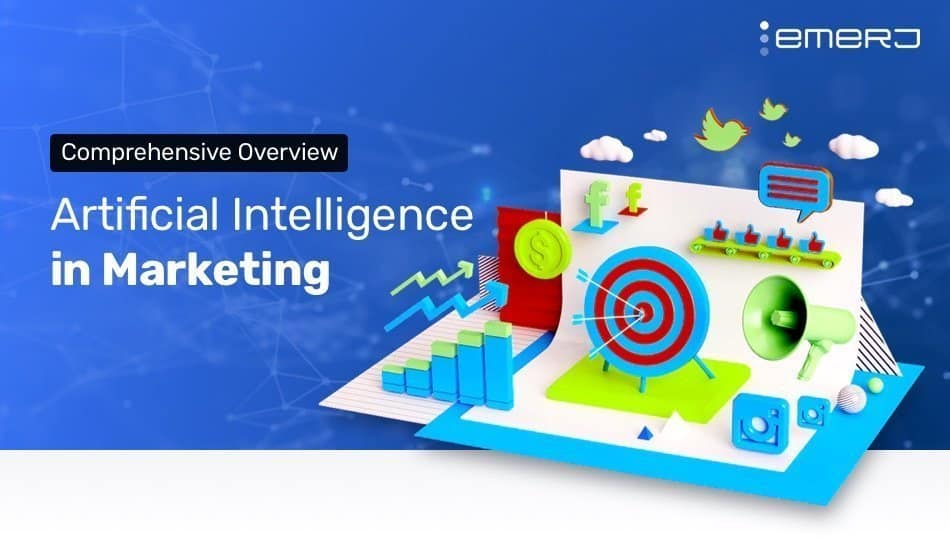 nCredit: emerj.com
n
Voice Search and Conversational Commerce
n
As voice-activated assistants become increasingly popular, AI is helping businesses optimize their content for voice search queries. AI-powered tools can analyze conversational language and provide more relevant results. Furthermore, AI is enabling conversational commerce, allowing customers to make purchases through voice interfaces and chatbots.
n
Digital Twin Avatars
n
A growing AI marketing application involves digital twin avatars, which are lifelike, AI-driven personas that offer personalized support to customers. These avatars can interact with customers, understand their needs, and provide real-time assistance. They can also be customized to reflect a brand's identity and values, creating a more engaging and relatable customer experience.n nCredit: marketrix.ai
n
Benefits of AI in Marketing
n
Implementing AI marketing applications offers numerous benefits to businesses:
n
- n
- Increased Efficiency: AI automates repetitive tasks, freeing up marketers to focus on strategic initiatives.
- Improved ROI: AI-driven insights and optimization lead to more effective marketing campaigns and higher returns on investment.
- Enhanced Customer Experiences: AI enables personalized interactions and proactive support, creating more engaging and satisfying customer journeys.
- Better Decision-Making: AI provides data-driven insights, allowing marketers to make more informed choices and optimize their strategies in real-time.
- Scalability: AI can handle large volumes of data and customer interactions, making it possible to scale marketing efforts efficiently.
n
n
n
n
n
n
Challenges of AI in Marketing
n
Despite its many benefits, there are also challenges associated with AI in marketing:
n
- n
- Data Privacy and Ethics: Collecting and using customer data for AI-driven personalization raises privacy concerns, and businesses must comply with data protection regulations.
- Data Quality and Integrity: The accuracy of AI insights depends on the quality of the underlying data, and incomplete or biased data can lead to inaccurate results.
- Talent Gap: Implementing and managing AI systems requires specialized skills, and there is a shortage of talent in this area.
- Implementation Costs: AI tools and platforms can be expensive to acquire and maintain.
- Bias and Inaccuracy: AI systems can reflect biases present in their training data, leading to unfair or inaccurate results.
- Reduced Authenticity: Over-reliance on AI can lead to a lack of human touch and reduce the authenticity of customer interactions.
n
n
n
n
n
n
n
Getting Started with AI in Marketing
n
To effectively implement AI marketing applications, businesses should:
n
- n
- Define Clear Objectives: Identify the specific outcomes you want to achieve with AI, such as increasing conversions, improving customer satisfaction, or reducing marketing costs.
- Establish Data Privacy Standards: Create a data privacy strategy from the start, ensuring compliance with regulations.
- Establish Data Sources: Gather data from various sources, such as your CRM, website logs, and social media channels.
- Hire and Upskill: Invest in training and development to ensure your team can effectively use AI tools.
- Select the Right AI Platform: Choose AI tools that align with your marketing goals and address the specific gaps in your strategy.
- Start Small and Scale Smart: Begin with pilot projects to test the waters, and then scale up based on the results.
- Monitor and Optimize: Regularly track the performance of your AI initiatives and make adjustments as needed.
n
n
n
n
n
n
n
n
Examples of AI Marketing in Action
n
Several companies have successfully implemented AI marketing applications to enhance their strategies:
n
- n
- Netflix: Uses AI to personalize viewing recommendations, resulting in higher engagement and customer satisfaction.
- Amazon: Employs recommendation engines to suggest products based on browsing history and past purchases, driving sales and customer loyalty.
- Sephora: Uses AI-powered chatbots and virtual try-on tools to enhance the customer experience and personalize product recommendations.
- Airbnb: Leverages AI to improve search algorithms, making property recommendations more relevant to users' preferences.
- eBay: Uses AI to optimize email marketing copy, resulting in higher click-through rates and conversions.
n
n
n
n
n
n
The Future of AI in Marketing
n
The future of AI marketing applications is bright, with continued advancements in AI technology promising even more sophisticated tools and capabilities. We can expect to see more personalized and context-aware interactions, real-time marketing adjustments, and the increased use of augmented reality (AR) and virtual reality (VR). As AI evolves, it will become an even more powerful tool that enhances creativity, productivity, and innovation, working alongside human marketers to drive better results.
n
In conclusion, AI marketing applications are already transforming the way businesses approach marketing. By leveraging the power of AI, marketers can gain valuable insights, personalize experiences, and optimize campaigns for better outcomes. While there are challenges to overcome, the benefits of AI in marketing are undeniable, and businesses that embrace this technology will be well-positioned for success in the future.