- Personalization: A Deep Dive into Options and Technologies
- Introduction
- Basic Personalization Options: Customization in E-commerce
- Advanced Personalization: AI-Powered Engines
- How AI Personalization Engines Work
- Benefits of AI Personalization Engines
- Top AI Personalization Engines
- Implementing AI Personalization Engines
- Personalization in Other Contexts
- Conclusion
Personalization: A Deep Dive into Options and Technologies
Introduction
Personalization is transforming how businesses interact with customers, creating more engaging and relevant experiences. This article explores various aspects of personalization, from simple customization options to advanced AI-powered engines. We'll examine different approaches, their benefits, and how they are implemented.
Basic Personalization Options: Customization in E-commerce
Some businesses offer basic personalization options directly on their product listings. This allows customers to customize certain aspects of a product before purchasing. For example, a company might offer embroidery services, allowing customers to add initials or names to clothing items.

Image Credit: https://littlehooligansembroidery.com/
This type of personalization is straightforward, often involving simple text fields or drop-down menus on the product page. While less sophisticated than AI-driven approaches, it still allows for a degree of customer customization and can enhance the shopping experience. The example above shows a simple option to add initials or names to an embroidered item, a clear example of basic personalization.
Advanced Personalization: AI-Powered Engines
More advanced personalization strategies leverage AI and machine learning. AI personalization engines analyze vast amounts of customer data to create highly tailored experiences. These engines collect data from various sources, including website interactions, purchase history, and social media activity. This data is used to build detailed customer profiles, which are then used to deliver personalized content, product recommendations, and offers.
How AI Personalization Engines Work
These engines work through a multi-step process:
- Data Collection and Integration: Gathering data from various sources.
- Customer Data Unification and Profiling: Creating unified customer profiles.
- AI/ML Algorithm Application: Analyzing profiles to identify patterns and preferences.
- Real-time Personalization: Delivering personalized experiences.
- Continuous Learning and Optimization: Refining algorithms based on customer interactions.
Benefits of AI Personalization Engines
The benefits of implementing AI personalization engines are significant:
- Improved Customer Experience: Highly relevant content leads to increased satisfaction.
- Increased Conversions and Revenue: Targeted offers and recommendations boost sales.
- Better Customer Retention and Loyalty: Personalized interactions foster stronger relationships.
- Streamlined Marketing Efforts: Automation improves efficiency and optimizes budgets.
- Data-Driven Decision-Making: Insights into customer behavior inform business strategies.
Top AI Personalization Engines
Several leading AI personalization engines are available in 2024. These engines offer a range of features and capabilities, catering to different business needs and scales.
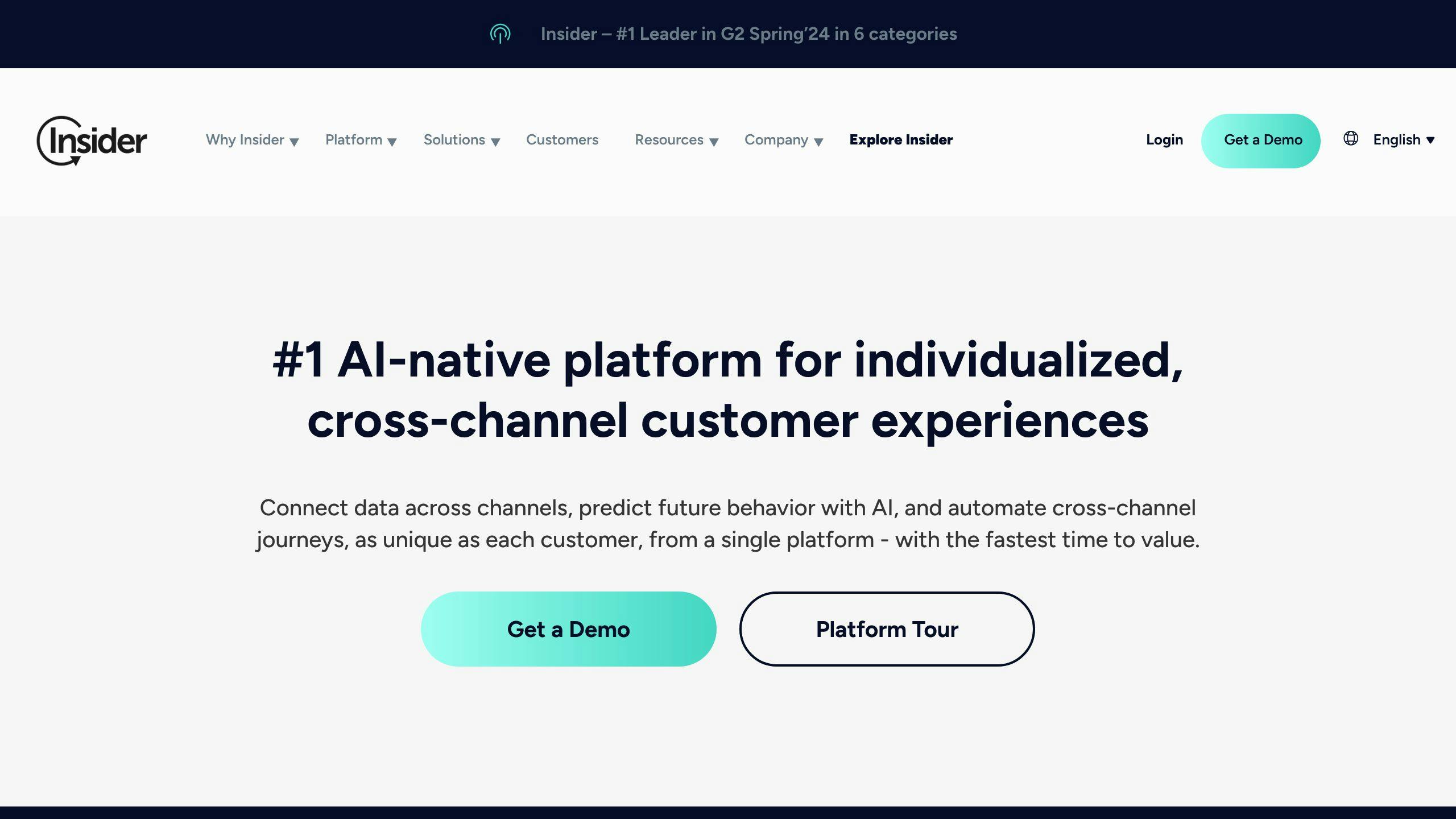
Image Credit: https://dialzara.com/
The image above shows a screenshot of one such engine, demonstrating the types of dashboards and functionalities available to users. Each engine offers unique strengths, including omnichannel capabilities, predictive analytics, and seamless integration with other marketing tools. Careful consideration of data integration capabilities, supported channels, AI/ML capabilities, and scalability is crucial when selecting an engine.
Implementing AI Personalization Engines
Successful implementation requires a strategic approach:
- Define Goals and Objectives: Clearly outline what you want to achieve.
- Choose an Engine: Select an engine aligned with your business needs and budget.
- Collect and Integrate Data: Ensure high-quality data from diverse sources.
- Set Up Rules and Campaigns: Configure rules based on customer segments and behavior.
- Test and Optimize: Continuously monitor and refine your strategies.
Personalization in Other Contexts
Personalization extends beyond e-commerce. Consider these examples:
- Operating System Customization: Users can personalize their computer experience by changing themes, wallpapers, and settings. Microsoft offers extensive options for personalization in Windows 11.

Image Credit: https://www.microsoft.com/
-
Mobile App Experiences: Google Play allows users to control the level of personalization in their app recommendations and search results.
-
Online Banking: Chartway offers users the ability to enable or disable personalization on their website, controlling the content they see based on their past activity.
Conclusion
Personalization, whether basic or AI-driven, is vital for creating positive customer experiences. The best approach depends on your business goals, resources, and technical capabilities. By understanding the various options and their implications, businesses can leverage personalization to enhance customer engagement, drive sales, and build lasting relationships.