

- Understanding AI Marketing Predictive Analytics
- How AI Enhances Predictive Analytics
- Benefits of AI Marketing Predictive Analytics
- Hyper-Personalization
- Accurate Trend Prediction
- Intelligent Customer Segmentation
- Efficient Lead Prioritization
- Effective Campaign Modeling
- Streamlined Churn Prediction
- Key Predictive Models in Marketing
- Clustering Models
- Propensity Models
- Collaborative Filtering Models
- Regression Models
- Time Series Models
- Essential Data Types for Effective Predictive Analytics
- Behavioral Data
- Demographic Data
- Transactional Data
- Systems Data
- Implementing AI Marketing Predictive Analytics
- Common AI Marketing Predictive Analytics Tools
- The Future of AI Marketing Predictive Analytics
- Challenges and Considerations
- Conclusion
In today's dynamic marketplace, businesses are constantly seeking innovative ways to connect with customers and drive growth. AI marketing predictive analytics has emerged as a powerful tool, enabling companies to move beyond guesswork and make informed decisions based on data-driven insights. This article explores how AI-powered predictive analytics is transforming the marketing landscape, providing a competitive edge for businesses of all sizes.
n
Understanding AI Marketing Predictive Analytics
n
AI marketing predictive analytics combines the power of artificial intelligence with statistical modeling to forecast future customer behaviors and market trends. It's about using historical data and machine learning algorithms to predict what customers are likely to do next, allowing marketers to tailor their strategies for maximum impact.
n
This involves several key components:
n
- n
- Data Collection: Gathering vast amounts of data from various sources, including website interactions, purchase history, social media activity, and CRM systems.
- Data Analysis: Using AI and machine learning to identify patterns, trends, and correlations within the data.
- Predictive Modeling: Developing models that forecast future outcomes, such as customer churn, conversion rates, and campaign performance.
- Actionable Insights: Translating predictions into practical recommendations that can inform marketing decisions and optimize strategies.
n
n
n
n
n
How AI Enhances Predictive Analytics
n
AI significantly enhances predictive analytics by automating complex data analysis processes and uncovering insights that might be missed by human analysts. AI algorithms can process massive datasets quickly and efficiently, identify subtle patterns, and adapt to changing market conditions. This leads to more accurate predictions and more effective marketing strategies.
n
AI's role includes:
n
- n
- Automated Data Processing: Handling large data sets without manual intervention, saving time and resources.
- Pattern Recognition: Identifying complex patterns and relationships in data that would be difficult for humans to detect.
- Real-Time Analysis: Providing insights in real-time, allowing marketers to adjust campaigns dynamically.
- Continuous Improvement: Learning from new data to refine models and improve prediction accuracy over time.
n
n
n
n
n
Benefits of AI Marketing Predictive Analytics
n
Implementing AI marketing predictive analytics offers a wide array of benefits for businesses, allowing them to optimize their marketing efforts and achieve better results. Here are some key advantages:
n
Hyper-Personalization
n
AI marketing predictive analytics enables businesses to create hyper-personalized experiences for their customers. By analyzing individual preferences and behaviors, marketers can tailor content, offers, and recommendations to each customer, leading to higher engagement and conversion rates.
n
For example, a clothing retailer could use predictive analytics to recommend specific items based on a customer's past purchases and browsing history, while a streaming service can suggest movies or shows based on viewing preferences.
n
Accurate Trend Prediction
n
Predictive analytics allows companies to anticipate future market trends and customer needs, enabling them to make proactive decisions. By analyzing historical and real-time data, businesses can identify emerging trends, adjust their strategies accordingly, and take advantage of new opportunities.
n
For instance, a company can predict seasonal fluctuations in demand to optimize inventory management, or a marketer can identify emerging popular keywords to improve SEO strategy.
n
Intelligent Customer Segmentation
n
AI-powered predictive analytics allows for more precise customer segmentation, enabling marketers to group customers based on shared characteristics and behaviors. This allows for more targeted messaging, ensuring that marketing efforts are directed toward the most receptive audiences.
n
Different segmentation models include:
n
- n
- Demographic segmentation: Grouping customers by age, gender, income, etc.
- Geographic segmentation: Grouping customers by location.
- Psychographic segmentation: Grouping customers by lifestyle, values, and interests.
- Behavioral segmentation: Grouping customers by actions and interactions.
n
n
n
n
n
nn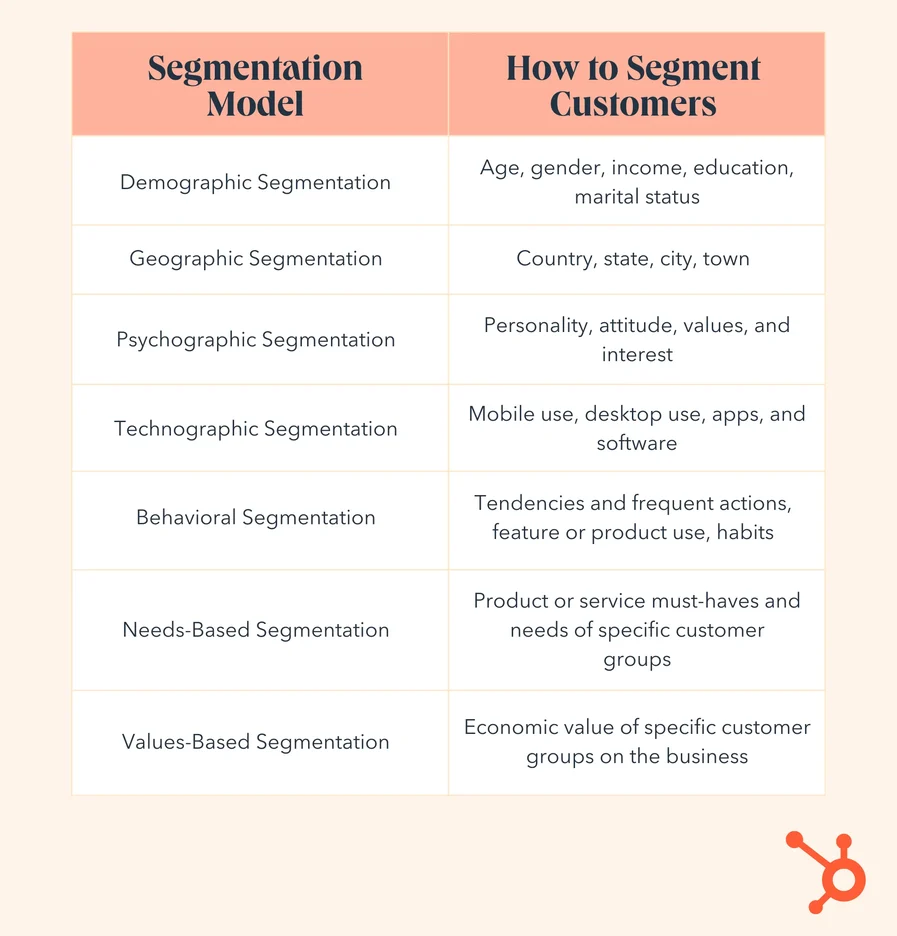 n
nn
Efficient Lead Prioritization
n
Predictive analytics enables marketers to prioritize leads based on their likelihood of conversion, allowing sales teams to focus on the most promising prospects. By scoring leads based on engagement levels and other factors, companies can improve their sales efficiency and increase conversion rates.
n
A common approach is using predictive lead scoring, a method that evaluates potential customers according to their likelihood of conversion.
n
Effective Campaign Modeling
n
AI marketing predictive analytics can analyze past campaign performance and other external factors to predict the success of future campaigns. This allows marketers to optimize their strategies, allocate resources effectively, and maximize their ROI.
n
For instance, predictive analytics can help determine the optimal timing for running ads or the most effective channels for reaching a specific audience.
n
Streamlined Churn Prediction
n
Predictive analytics can help businesses identify customers who are at risk of churning, allowing them to take proactive measures to retain them. By analyzing customer behavior and engagement patterns, companies can offer personalized incentives and improve customer loyalty.
n
This is especially valuable for subscription-based services that need to maintain a steady customer base.
n
Key Predictive Models in Marketing
n
Several types of predictive models are commonly used in marketing, each with its own strengths and applications:
n
Clustering Models
n
Clustering models are used to segment customers into groups based on shared characteristics or behaviors. This allows marketers to customize their messaging and campaigns for different customer segments, maximizing their impact.
n
nn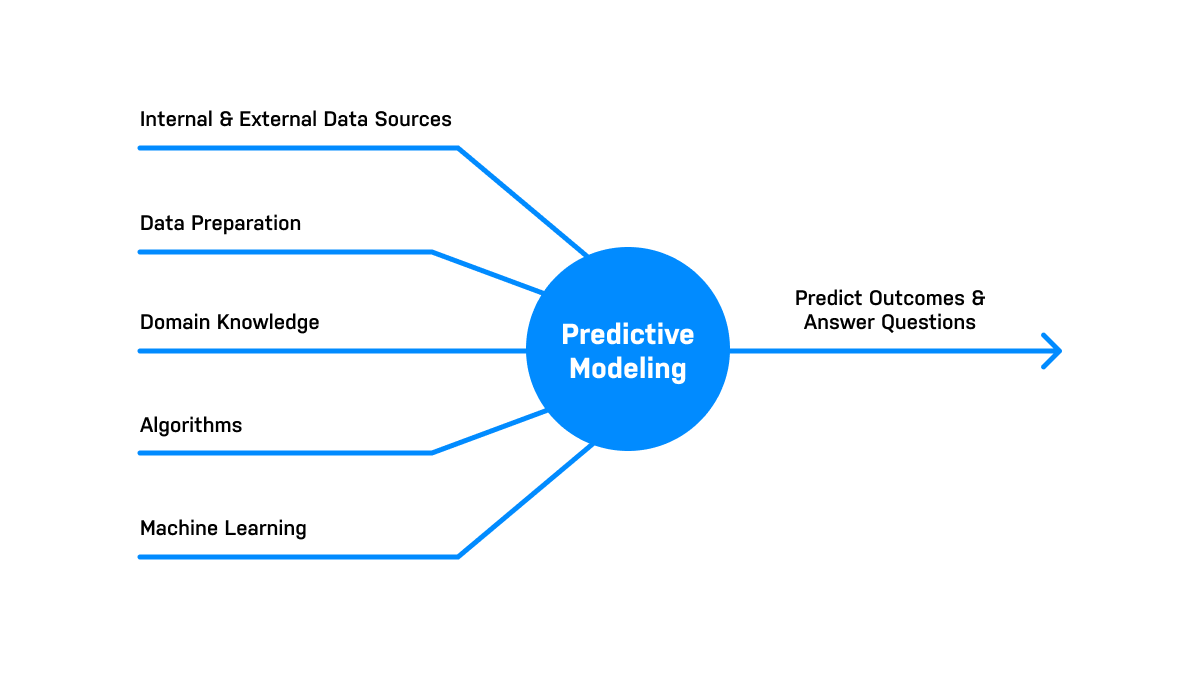 n
nn
For example, a clothing retailer could use a clustering model to identify customers who prefer high-end jeans and target them with email campaigns promoting their new designer line.
n
Propensity Models
n
Also known as predictive scoring, propensity models forecast the probability of a customer engaging in a specific action, such as purchasing a product, canceling a service, or responding to a marketing campaign. These models analyze past customer behavior to predict future actions.
n
Propensity models can also be used to improve customer retention and reduce customer churn by identifying customers who are at risk of canceling.
n
Collaborative Filtering Models
n
Collaborative filtering models recommend products and services based on customer behavior and similar customer preferences. There are two main types:
n
- n
- User-based: Measures similarities between users.
- Item-based: Measures similarities between items that users rate or buy.
n
n
n
nn n
nn
These models power the recommendation engines used by companies like Amazon, Netflix, and Spotify.
n
Regression Models
n
Regression models uncover the relationship between one or more independent variables (factors you can influence) and a dependent variable (the outcome you want to predict). This helps understand how different factors impact key metrics.
n
Marketing and sales teams can use regression models to optimize marketing campaigns, perform price sensitivity analysis, predict customer lifetime value, and forecast sales.
n
Time Series Models
n
Time series models forecast future events based on trends in historical data. They are particularly useful for predicting seasonal sales fluctuations, inventory management, website traffic patterns, or product demand.
n
By understanding these cyclical trends, marketers can better plan resource allocation and optimize marketing campaigns and pricing strategies.
n
Essential Data Types for Effective Predictive Analytics
n
The effectiveness of AI marketing predictive analytics depends on the quality and variety of data used. Here are some essential data types:
n
Behavioral Data
n
Behavioral data describes how customers interact with a business, including website browsing history, purchase patterns, and engagement with marketing materials. This type of data is highly predictive and provides insights into customer preferences and intentions.
n
Examples of behavioral data include:
n
- n
- Search behavior
- Customer loyalty metrics
- Ratings and reviews
- Web analytics
n
n
n
n
n
Demographic Data
n
Demographic data provides information about who the customers are, including age, gender, income, and education level. This type of data can be used to segment customers and tailor marketing messages to specific groups.
n
Examples of demographic data include:
n
- n
- Age
- Income
- Education
- Ethnicity
- Location
n
n
n
n
n
n
Transactional Data
n
Transactional data includes purchase history, transaction amounts, and purchase frequency. This type of data can be used to predict future customer behavior and identify opportunities for upselling and cross-selling.
n
Examples of transactional data include:
n
- n
- Purchase history
- Transaction amounts
- Purchase frequency
- Product popularity
n
n
n
n
n
Systems Data
n
Systems data refers to the information generated by and related to the operation of computer systems and applications. It is collected from various sources within the IT infrastructure, such as servers, applications, databases, and network devices.
n
Implementing AI Marketing Predictive Analytics
n
Implementing AI marketing predictive analytics involves several key steps:
n
- n
- Define Clear Objectives: Start by defining specific goals for your marketing efforts, such as increasing sales, improving customer retention, or optimizing campaign performance.
- Collect and Integrate Data: Gather data from various sources and integrate it into a unified platform. Ensure data quality and accuracy.
- Choose the Right Tools: Select AI and machine learning tools that are appropriate for your needs and budget. Many platforms offer user-friendly interfaces and pre-built models.
- Develop Predictive Models: Build predictive models based on your data and objectives. Test and refine these models to ensure accuracy.
- Implement and Monitor: Integrate predictive analytics into your marketing processes and monitor performance regularly. Adjust strategies based on insights.
n
n
n
n
n
n
Common AI Marketing Predictive Analytics Tools
n
Several tools are available to help businesses implement AI marketing predictive analytics. Some popular options include:
n
- n
- Pecan AI: A user-friendly platform that allows businesses to build AI models for predictive analytics without requiring deep technical expertise.
- Segment: A customer data platform that helps businesses capture, cleanse, and analyze customer data.
- Google Analytics 4 (GA4): Leverages machine learning to examine data patterns, fill in gaps in user data, and forecast future actions.
- Voyantis: Offers customized solutions for companies looking to optimize their marketing strategies, integrating directly with tools such as Meta ads and Google ads.
- Adobe Analytics: Provides real-time analysis and in-depth insights into the customer journey, including anomaly detection and contribution analysis.
- IBM Watson: An AI platform that can be used for various tasks related to marketing analytics, including personalization and campaign optimization.
- SAS Marketing Automation: A leading tool for statistical and data analysis, used to automate decision-making and uncover new technologies through predictive analytics and machine learning.
n
n
n
n
n
n
n
n
nnn
nn
The Future of AI Marketing Predictive Analytics
n
The future of marketing is heavily influenced by AI and predictive analytics. As these technologies continue to evolve, businesses will have access to more powerful tools and insights, enabling them to create even more personalized and effective marketing strategies.
n
Key trends in the future of AI marketing predictive analytics include:
n
- n
- Increased Automation: AI will automate more marketing tasks, from data analysis to campaign execution.
- Advanced Personalization: AI will enable even more granular personalization, tailoring messages and offers to individual customers at the micro-level.
- Real-Time Insights: Businesses will have access to real-time data and insights, allowing them to adjust their strategies dynamically.
- Predictive Customer Journeys: AI will predict customer journeys, allowing businesses to anticipate needs and provide proactive support.
- Ethical Considerations: Businesses will need to address ethical issues related to data privacy and transparency as they leverage AI for marketing.
n
n
n
n
n
n
Challenges and Considerations
n
While AI marketing predictive analytics offers many benefits, businesses should also be aware of the potential challenges:
n
- n
- Data Quality: The accuracy of predictions depends on the quality and completeness of data.
- Interpretability: Some AI models can be difficult to interpret, making it hard for marketers to understand why certain predictions are made.
- Changing Conditions: Models need to be regularly updated to account for changing market conditions and customer behavior.
- Resources and Expertise: Building and deploying predictive models often requires specialized skills in data science and machine learning.
- Ethical Issues: Businesses must be mindful of ethical concerns related to data privacy and transparency.
n
n
n
n
n
n
Conclusion
n
AI marketing predictive analytics is revolutionizing the way businesses connect with their customers, offering unprecedented opportunities for growth and efficiency. By leveraging the power of AI and machine learning, marketers can make data-driven decisions, create personalized experiences, and optimize their strategies for maximum impact. As these technologies continue to evolve, businesses that embrace AI marketing predictive analytics will be best positioned for success in the dynamic marketing landscape.
n
By understanding the fundamentals of predictive analytics, implementing the right tools and strategies, and continuously adapting to new developments, businesses can harness the power of AI to achieve their marketing goals and build stronger customer relationships.





