

- Defining Customer Behavior
- The Importance of Analyzing Customer Behavior
- Factors Influencing Customer Behavior
- Internal Factors
- External Factors
- Types of Customer Behavior
- Customer Behavior Models
- Traditional Models
- Contemporary Models
- Conducting Customer Behavior Analysis
- 1. Segment Your Audience
- 2. Build Customer Personas
- 3. Collect Customer Data and Feedback
- 4. Analyze the Data
- 5. Optimize Customer Journey and Campaigns
- Tools for Analyzing Customer Behavior
- Using Customer Behavior Insights
- Conclusion
Understanding customer behavior is crucial for any business aiming to thrive in today's competitive market. It's more than just knowing what customers buy; it's about understanding why they buy, what influences their decisions, and how they interact with your brand. This comprehensive guide explores the multifaceted nature of customer behavior, drawing from various models, theories, and practical strategies to help businesses better connect with their audiences and drive success.
n
Defining Customer Behavior
n
Customer behavior encompasses the actions, decisions, and patterns exhibited by individuals or groups when interacting with products, services, or brands. It's a field of study that examines how customers engage, evaluate, purchase, use, and provide feedback on offerings. This includes everything from initial awareness of a product to post-purchase experiences and brand loyalty. By analyzing customer behavior, businesses can gain a deeper understanding of their customers' needs, preferences, and motivations.
n
The Importance of Analyzing Customer Behavior
n
Why is understanding customer behavior so important? The answer lies in its direct impact on various aspects of a business.
n
- n
- Improved Marketing Strategies: Analyzing customer behavior provides insights that allow businesses to optimize their marketing strategies. Understanding what drives purchases and what emotional tactics are effective can help businesses better appeal to their audience.
- Enhanced Customer Experience: By understanding customer pain points and preferences, companies can tailor their offerings and optimize touchpoints in the buying journey, leading to a better overall customer experience.
- Increased Sales and Customer Retention: With a solid understanding of customer behavior, businesses can create targeted promotions, predict customer needs, and improve customer satisfaction, ultimately leading to increased sales and customer retention.
- Boost Customer Lifetime Value: Understanding customer motivations and preferences allows businesses to build loyalty and optimize engagement, leading to an increase in customer lifetime value.
n
n
n
n
n
Factors Influencing Customer Behavior
n
Several factors influence how customers behave, and these can be broadly categorized into internal and external factors.
n
Internal Factors
n
Internal factors are the personal characteristics that influence a customer's decision-making process. These include:
n
- n
- Psychological Factors: These encompass elements like perception, motivation, learning, attitudes, and beliefs. A customer's perception of a brand, for example, can heavily influence their purchasing decisions.
- Personal Factors: Individual characteristics such as age, gender, occupation, lifestyle, and personality play a significant role in determining consumer preferences and decision-making processes.
- Habits, Interests, and Lifestyle: A customer’s daily routines, hobbies, and overall lifestyle can influence the types of products they are drawn to.
n
n
n
n
External Factors
n
External factors are the environmental and social influences that impact a customer's behavior:
n
- n
- Social Influences: This includes the impact of family, friends, peer groups, and social class on consumer behavior. Word-of-mouth, opinions, social norms, and the need for conformity can all influence a customer's choices.
- Cultural Influences: Cultural values, beliefs, customs, and norms instilled in individuals by their society shape preferences, perceptions, and consumption patterns.
- Economic Conditions: Market conditions and economic uncertainty can greatly influence consumer spending and saving habits.
- Technological Advancements: The rapid pace of technological change can significantly impact customer behavior, with new technologies quickly becoming popular and influencing purchasing decisions.
- Marketing Efforts: Marketing and advertising campaigns directly influence customer behavior by raising awareness, shaping perceptions, and creating desire for products and services.
n
n
n
n
n
n
Types of Customer Behavior
n
Customers exhibit different behaviors depending on the specific circumstances of each buying decision. Here are some common types of customer behavior:
n
- n
- Complex Buying Behavior: This involves making costly or rare purchases, like cars or high-end electronics, where customers are deeply engaged in the buying process and see significant differences between options.
- Dissonance-Reducing Buying Behavior: This occurs when a buyer is highly engaged in the purchasing process but finds it difficult to distinguish between brands, often leading to post-purchase dissonance.
- Habitual Buying Behavior: This is when customers are not invested in their purchase and perceive little brand differences, such as with everyday items like groceries.
- Variety-Seeking Buying Behavior: This is when a person intentionally switches between different brands for variety, even if they’re satisfied with a particular product, often with lower-cost items.
- Impulsive Buying Behavior: This involves spontaneous and unplanned purchases, often driven by emotions rather than careful consideration.
- Brand Loyalty: Some customers consistently choose a specific product or brand over others, driven by a deep emotional connection to the brand.
- Analytical Behavior: These buyers are methodical with their purchase decisions, using data, facts, information, and logic to make a purchase.
n
n
n
n
n
n
n
n
Customer Behavior Models
n
Several models help explain and predict customer behavior. These frameworks provide valuable insights into the decision-making process.
n
Traditional Models
n
- n
- Learning Model: This model suggests that consumer choices are influenced by basic needs and learned information, following a hierarchy of needs.
- Economic Model: This assumes that consumers are rational decision-makers who carefully weigh costs and benefits to maximize satisfaction within their budget.
- Psychoanalytical Model: This interprets consumer choices as driven by subconscious motives and desires, often shaped by emotions and deep-seated psychological needs.
- Sociological Model: This model examines how social groups, culture, and social class influence consumer behavior.
n
n
n
n
n
Contemporary Models
n
- n
- Engel-Kollat-Blackwell (EKB) Model: This outlines the stages of customer decision-making, including need recognition, information search, evaluation, purchase, and post-purchase behavior.
- Black Box Model: This focuses on the relationship between external stimuli and consumer responses, treating the internal decision process as a "black box."
- Hawkins-Stern Model: This focuses on impulse purchases, suggesting that visual cues and sudden urges can trigger unplanned buying.
- Howard-Sheth Model: This emphasizes rational decision-making, outlining how consumer inputs lead to constructs like attitude and intention, ultimately resulting in purchase outcomes.
- Engel-Blackwell-Miniard (EBM) Model: An evolved version of the EKB model that elaborates on the decision-making process across different journey stages.
- Webster and Wind Model: This stresses the importance of organizational buying behavior, looking at how companies make purchase decisions in a B2B context.
- Nicosia Model: This maps the relationship between a company and its potential consumers, focusing on how advertising messages influence consumer attitudes and decisions.
- BJ Fogg Model: This proposes that three elements must converge at the same moment for a behavior to occur: motivation, ability, and prompt.
n
n
n
n
n
n
n
n
n
Conducting Customer Behavior Analysis
n
Conducting a customer behavior analysis involves a systematic approach to gathering and analyzing data. Here are the key steps involved:
n
1. Segment Your Audience
n
Segmenting your audience into smaller groups allows for a more targeted analysis of patterns and trends. You can segment based on demographics, psychographics, geographic location, or behavioral data.
n
2. Build Customer Personas
n
Customer personas are semi-fictional representations of ideal customers, which include detailed information about their age, gender, occupation, income, motivations, goals, pain points, and buying behavior.
n
3. Collect Customer Data and Feedback
n
Gather both qualitative and quantitative data through various methods:
n
- n
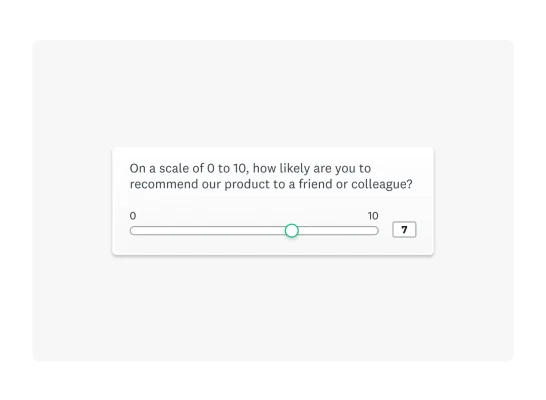
- Qualitative Data: Social listening, customer interviews, surveys, focus groups, customer reviews, and browsing forums.n
 nCredit: prod.smassets.net
- Quantitative Data: A/B tests, feedback forms, web analytics, heatmap tools, CRM software, and customer ratings.nnCredit: prod.smassets.net
 nCredit: prod.smassets.net
n
 nCredit: prod.smassets.net
n
n
4. Analyze the Data
n
Use customer data analysis tools to identify key trends, patterns, and pain points. Correlate customer behavior with actions and determine common frustrations.
n
5. Optimize Customer Journey and Campaigns
n
Use the insights from the data analysis to make targeted improvements to the customer journey and refine marketing campaigns. This can involve streamlining the checkout process, improving user experience, and tailoring brand messaging.
n
Tools for Analyzing Customer Behavior
n
Several tools can assist in gathering and analyzing customer behavior data:
n
- n
- Surveys and Questionnaires: These tools collect data on preferences, satisfaction, and feedback directly from customers.
- Web Analytics: These monitor website behavior regarding visitors, clicks, and purchases.
- Social Media Insights: These tools monitor trends and customer sentiments through comments, likes, and shares.
- Focus Groups: These collect qualitative data on perceptions and opinions of products or services.
- Customer Relationship Management (CRM) Software: These tools help understand and interpret various interactions and patterns to improve customer engagement.
- NestAds: Specifically designed for Shopify businesses to track ad performance and customer journeys across platforms.
- Zigpoll: A feedback tool that allows Shopify stores to gather real-time insights directly from customers.
- Hotjar: A behavioral analytics tool that provides heatmaps, session recordings, and customer surveys to understand user interactions.
- Userpilot: A tool that helps track customer behavior, create segments, and improve customer experiences.
- Storyly: A platform that brings engaging formats like Stories to apps and websites to gather feedback and understand customer preferences.
n
n
n
n
n
n
n
n
n
n
n
Using Customer Behavior Insights
n
Insights gained from customer behavior analysis can be used in many ways to improve business strategies:
n
- n
- Personalize Marketing Campaigns: Tailor marketing messages to resonate with individual customers, increasing engagement and conversion rates.
- Optimize Customer Journey: Identify pain points and streamline the purchasing process to enhance customer satisfaction and loyalty.
- Develop Targeted Product Offerings: Develop new products or enhance existing ones to meet customer expectations and market trends.
- Enhance Customer Retention Strategies: Identify loyal customers and those at risk of churning to tailor retention strategies and loyalty programs.
- Refine Pricing and Promotional Strategies: Adjust pricing and promotional tactics based on customer responses to optimize revenue generation and profitability.
- Improve Customer Service and Support: Enhance customer service and support efforts to deliver a seamless and personalized experience.
- Forecast and Plan Future Demand: Identify seasonal trends and demand patterns to forecast future needs and allocate resources effectively.
n
n
n
n
n
n
n
n
Conclusion
n
Understanding customer behavior is essential for businesses seeking to succeed in a competitive market. By analyzing the factors that influence purchasing decisions, businesses can develop more effective marketing strategies, improve the customer experience, increase sales, and build long-term customer loyalty. Utilizing the various models, tools, and strategies outlined in this guide will enable businesses to make informed, data-driven decisions and create stronger connections with their customers.





